

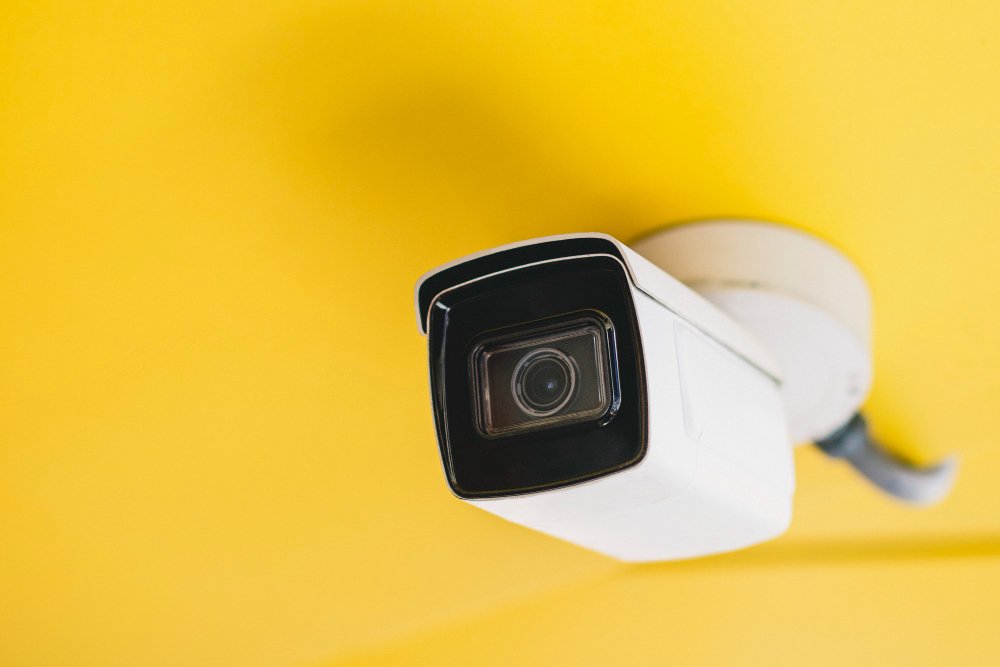
In an age where security should be smarter, faster, and more discreet, many Nigerian homes and businesses are relying on surveillance systems that do the opposite. The average CCTV camera setup in a Nigerian property is cheap, outdated, and critically vulnerable to cyber intrusion. What was installed for peace of mind is now a growing privacy risk and many users have no clue it’s happening.
Across Lagos, Abuja, Port Harcourt and other urban centres, surveillance equipment is sold with little to no cybersecurity assurances. Many of these systems, mostly imported from Asia, flood open markets and online shops at prices as low as ₦30,000. They’re accessible but dangerously exposed.
When Surveillance Becomes a Threat
Most buyers are drawn by affordability and quick installation, not realising that these camera systems come with legacy software, default credentials, outdated firmware, and poor encryption standards — if any. In some cases, these systems still use protocols from over a decade ago, making them incompatible with current network security practices.
Transmission Points Are Vulnerable Too
It’s not just the camera or recorder that’s at risk. CCTV systems are also exposed during data transmission, particularly in setups that send footage from the DVR or IP camera to remote monitoring centres, mobile apps, or cloud storage. These transmission paths, when not properly secured, can serve as entry points for cybercriminals.
Some setups rely on peer-to-peer (P2P) protocols that bounce footage through third-party servers outside Nigeria, which introduces a new layer of vulnerability. Without proper network segmentation and encrypted tunnels, that footage can be intercepted, manipulated, or even replaced.
Four Major Weak Links in Nigeria’s CCTV Landscape
- Cheap, Outdated Hardware
Many systems still on the market run on insecure firmware, no longer supported or patched by the manufacturers. Users rarely receive software updates or even realise they should be updating the system at all.
Default Credentials
“Admin / 123456” remains the login for hundreds of systems installed nationwide.
- Installers either fail to educate customers on security or bypass security features to ease installation.
- Open Port Configurations
Installers often open system ports for remote viewing without configuring firewalls or access control lists. This exposes systems to brute-force attacks. - Unencrypted Transmission
Systems that transmit data over standard HTTP or UDP protocols without encryption make it easy for hackers to access the feed during transit.
What’s at Stake?
- Burglaries and Targeted Break-Ins: Hackers can monitor camera feeds to learn when residents or workers are away.
- Surveillance of High-Value Targets: SMEs, forex traders, law firms, private schools and politicians are increasingly vulnerable.
- Footage Theft and Data Abuse: Recorded footage can be downloaded, altered, and even used to blackmail individuals or tarnish a company’s image.
The deeper concern is that surveillance feeds can be watched and recorded silently for months before any physical breach occurs. Victims often only realise after the damage has been done.
How to Secure Your CCTV the Right Way
Securing CCTV systems is not a one-off action, it’s an ongoing process:
- Replace Legacy Systems: If your CCTV was installed more than five years ago, chances are it’s no longer secure by today’s standards.
- Use Secure Brands: Buy from vendors that offer firmware updates, encryption, and proper user documentation. Avoid no-name systems that cannot be updated or supported.
- Change All Passwords: Reset default passwords immediately. Use complex passwords and store them securely.
- Set Up a VPN: Rather than using cloud-based access or open ports, configure a Virtual Private Network (VPN) for secure remote access.
- Disable Remote Access if Unused: If you don’t need to view your CCTV feed from outside, disable the feature completely.
- Isolate Your CCTV Network: Create a separate network for your cameras, away from your main internet connection, to reduce exposure
CCTV systems were designed to offer surveillance, deterrence, and evidence. But when poorly installed or left unsecured, they can offer the opposite, surveillance of the owner, breach of privacy, and destruction of trust.
Nigeria’s rapid adoption of digital tools must come with a corresponding awareness of cyber hygiene. As CCTV becomes more commonplace across homes, shops, churches, offices and schools, the conversation must shift from installation to protection.
Security without cybersecurity is no longer protection. It’s a liability waiting to happen.
