

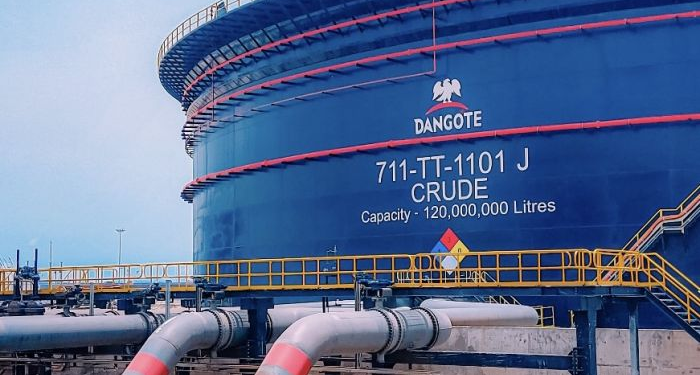
Lagos, Nigeria — Africa’s richest man, Aliko Dangote, has reaffirmed plans to expand his flagship refinery in Lagos from 650,000 barrels per day (bpd) to 1.4 million bpd, a move that would make it one of the largest single-site refineries in the world.
Speaking at a press briefing on Tuesday, Dangote described the expansion as a strategic step to boost Nigeria’s energy independence and strengthen the country’s industrial base. The project aligns with Nigeria’s broader economic goals of reducing fuel imports and fostering local manufacturing.
The expansion is expected to cost approximately $5 billion, with Dangote outlining plans to list 5–10% of the refinery on the Nigerian Exchange (NGX) to raise part of the required capital. “We believe this will deepen the local capital market and allow Nigerians to own a stake in one of the country’s most strategic assets,” Dangote said.
Beyond scale, the upgrade aims to align with Euro VI fuel standards, reflecting a commitment to environmentally cleaner fuel production. Additionally, the refinery’s power generation capacity will be increased to 1,000 MW to support operations, while over 85% of the workforce will be Nigerian, with continued investments in skills development.
Analysts note that the expansion could generate tens of thousands of jobs across construction, operations, and maintenance, while significantly lowering Nigeria’s reliance on imported petrol. Once fully operational, the refinery’s projected annual revenue could exceed $55 billion, underscoring its strategic economic significance.
However, Dangote acknowledged potential challenges, including securing consistent crude supply and navigating global oil price volatility. Despite these risks, he remains confident that government policies and ongoing reforms will support successful implementation.
Industry observers say the project positions Dangote not just as a local industrialist but as a continental energy leader, with implications for Africa’s energy security and industrialisation drive. By expanding refining capacity, Nigeria could shift from a net fuel importer to a major exporter of refined products, while stimulating downstream industries and local economic activity.
