
Close Menu

    Subscribe to Updates

    Get the latest creative news from FooBar about art, design and business.

    What's Hot

    How to Bootstrap Your Business and Still Grow

    December 3, 2025

    What Does Product-Market Fit Look Like When You’re Selling to the Bottom 90%?

    December 3, 2025

    The Science of Pricing Your Products in African Markets

    December 3, 2025
    Facebook X (Twitter) Instagram
    Facebook X (Twitter) Instagram
    broaderafrica.com
    Subscribe
    • Home
    • Broader Focus
    • Features
    • Informal Economy
    • Top 3
    • AI
    • Business News
    • Founder’s corner
    • Start Up
    • Tech News
    broaderafrica.com
    Home»Lifestyle/Living»Weekend Escapes for the Urban African Professional: How the Need for Wellness Shapes Where They Live
    Lifestyle/Living

    Weekend Escapes for the Urban African Professional: How the Need for Wellness Shapes Where They Live

    BroaderBy BroaderDecember 3, 2025No Comments3 Mins Read
    Facebook Twitter Pinterest LinkedIn Tumblr WhatsApp VKontakte Email
    Share
    Facebook Twitter LinkedIn Pinterest Email

    In the relentless rhythm of cities like Lagos, Nairobi and Accra, the end of week brings more than a break. For many urban professionals, it opens a door to reinvention  a chance to recalibrate in a place that feels like escape. As this pattern becomes more ingrained, the desire for frequent “mini‑escapes” is no longer just shaping weekend planning; it is reshaping where people choose to make home. In short: wellness weekends are transforming residential decisions.

    In Lagos, the ripple effects are visible in real estate. Developers are increasingly marketing what can only be described as “vacation‑like living” gated communities and estates designed to feel like resorts rather than mere housing projects. Properties with swimming pools, landscaped green spaces, clubhouses and recreational amenities are rising in popularity. This reflects data showing that many Nigerians now prioritise leisure‑focused homes rather than traditional flats or land plots. 

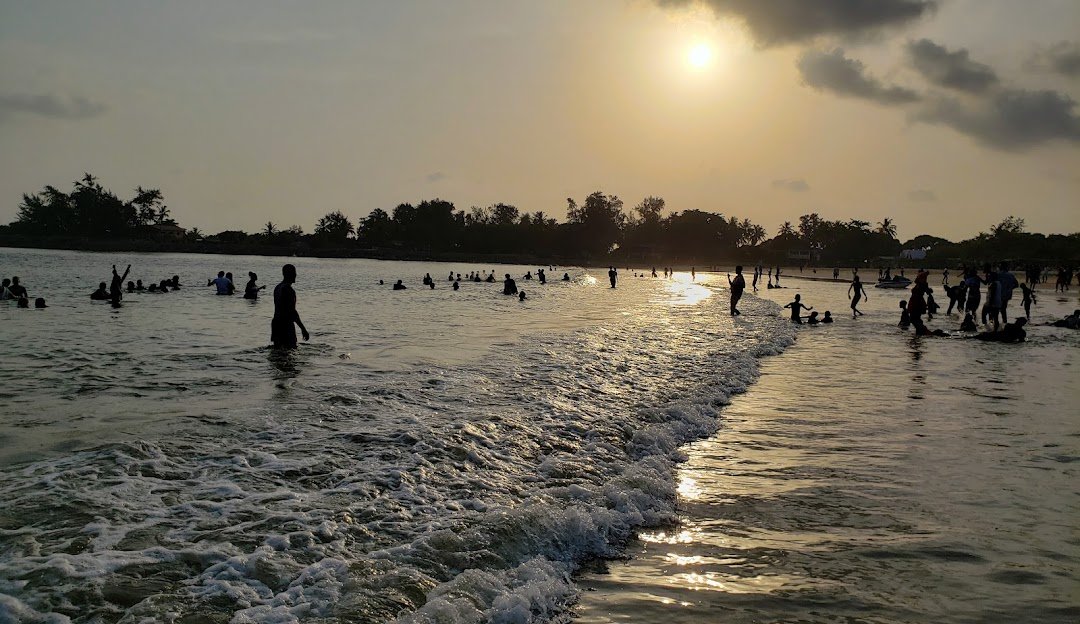
    Areas such as Lekki and the Ibeju‑Lekki corridor have become magnets for professionals seeking balance: a place to work, and a place that affords quick access to beaches, resorts and escape routes from urban congestion.  Living here offers the promise of weekend getaways without the burden of long-distance travel. For many, the home is part of the leisure equation, a launchpad for restorative rituals, not just an address.

    This shift isn’t just about comfort. It speaks to deeper changes in values. Post‑COVID changes in work patterns, hybrid work, remote work flexibility  have increased the appeal of homes that double as personal retreat spaces: private gardens, terraces, green spaces, and amenities that support wellness. People want their homes to reflect not only convenience, but well‑being: the ability to unwind, recharge and reclaim control over quality of life.

    The preference for green spaces and resort‑style living is supported by recent research: a large study of estate‑residents in Lagos found that a significant majority are willing to pay more for properties with access to green areas, parks or open spaces. That statistic signals more than aesthetic preference, it marks a shift in what urban Africans now consider essential amenities.

    This tension between desire and reality shapes lifestyle choices  and by extension, real estate demand. Urban professionals are increasingly selecting neighbourhoods not solely based on commute time to work, but on how fast and easy it is to step away from the grind. Ease of access to beaches, resorts, green belts or short‑stay escapes now factors into residential decisions, alongside traditional determinants like security, schools and infrastructure.

    As a result, the definition of “home” is expanding. It is no longer a place where one sleeps. It is a sanctuary, a base for wellness, a launchpad for leisure. For the contemporary urban professional, weekend readiness, the ability to decompress quickly, reclaim balance  has become a defining criterion for where to live.

    In the coming years, as more Africans adopt wellness‑first mindsets and as hybrid work becomes further entrenched, the influence of weekend‑escape culture on residential demand is likely to grow. Real‑estate developers who understand this shift will lead  offering lifestyle‑oriented homes, integrated amenities, and proximity to leisure hubs. For urban Africans, the decision of where to live will increasingly be shaped by one simple question: Does this place let me escape without leaving my lifestyle behind?

    lifestyle living
    Share. Facebook Twitter Pinterest LinkedIn Tumblr WhatsApp Email
    Previous ArticleUrban Fitness Trends in Lagos, Nairobi, Accra: Brands like Aquafina and VerveLife Are Shaping Africa’s Wellness Culture
    Next Article How Virtual Communities Are Rewriting the African Way of Life
    Broader
    • Website

    Related Posts

    Gen Z & Millennial Living Standards: Aspirations and Realities

    December 3, 2025

    How Virtual Communities Are Rewriting the African Way of Life

    December 3, 2025

    Urban Fitness Trends in Lagos, Nairobi, Accra: Brands like Aquafina and VerveLife Are Shaping Africa’s Wellness Culture

    December 3, 2025

    Mercedes’ Lead Designer Talks to Euronews About Future

    January 13, 2021
    Leave A Reply Cancel Reply

    Recent Posts

    • How to Bootstrap Your Business and Still Grow
    • What Does Product-Market Fit Look Like When You’re Selling to the Bottom 90%?
    • The Science of Pricing Your Products in African Markets
    • Is It Possible to Raise Pre-Seed Funding in Africa Without a VC?
    • Revenue vs. Vanity: Growth Metrics That Actually Matter

    Recent Comments

    No comments to show.
    Demo
    Our Picks

    Digitising the Hustle: How Fintech Is Reaching the Unbanked

    January 13, 2021

    Why Ignoring the Informal Economy Is a Missed Opportunity

    January 13, 2021

    What Informal Businesses Can Teach Formal Startups About Customer Loyalty

    January 13, 2021

    Lessons From the Streets: Business Tactics from Africa’s Informal Sector

    January 13, 2021
    • Facebook
    • Twitter
    • Pinterest
    • Instagram
    • YouTube
    • Vimeo
    Don't Miss
    Money & Growth

    How to Bootstrap Your Business and Still Grow

    0

    In Africa, the image of a startup with venture capital backing often dominates the imagination.…

    What Does Product-Market Fit Look Like When You’re Selling to the Bottom 90%?

    December 3, 2025

    The Science of Pricing Your Products in African Markets

    December 3, 2025

    Is It Possible to Raise Pre-Seed Funding in Africa Without a VC?

    December 3, 2025

    Subscribe to Updates

    Get the latest creative news from SmartMag about art & design.

    Archives

    • December 2025
    • November 2025
    • October 2025
    • January 2021

    Categories

    • Broader Focus
    • Business Blueprint
    • Business News
    • Features
    • Founder's corner
    • Informal Economy
    • Leadership
    • Lifestyle/Living
    • Money & Growth
    • Tech Guide
    • Tech News
    • Top 3
    • Uncategorized
    • Work & Culture
    About Us

    Tech | Start Up | Business

    Email Us: hello@broaderafrica.com
    Contact: +1-320-0123-451

    Our Picks

    Digitising the Hustle: How Fintech Is Reaching the Unbanked

    January 13, 2021

    Why Ignoring the Informal Economy Is a Missed Opportunity

    January 13, 2021

    What Informal Businesses Can Teach Formal Startups About Customer Loyalty

    January 13, 2021
    New Comments
      Facebook X (Twitter) Instagram LinkedIn
      © 2026 Broader Africa

      Type above and press Enter to search. Press Esc to cancel.