

In cities across Africa, the second-hand smartphone market is booming. From Computer Village in Lagos to online marketplaces and informal retail hubs, devices change hands daily. Upgrading to a newer model has become routine.
What remains less routine is proper digital hygiene.
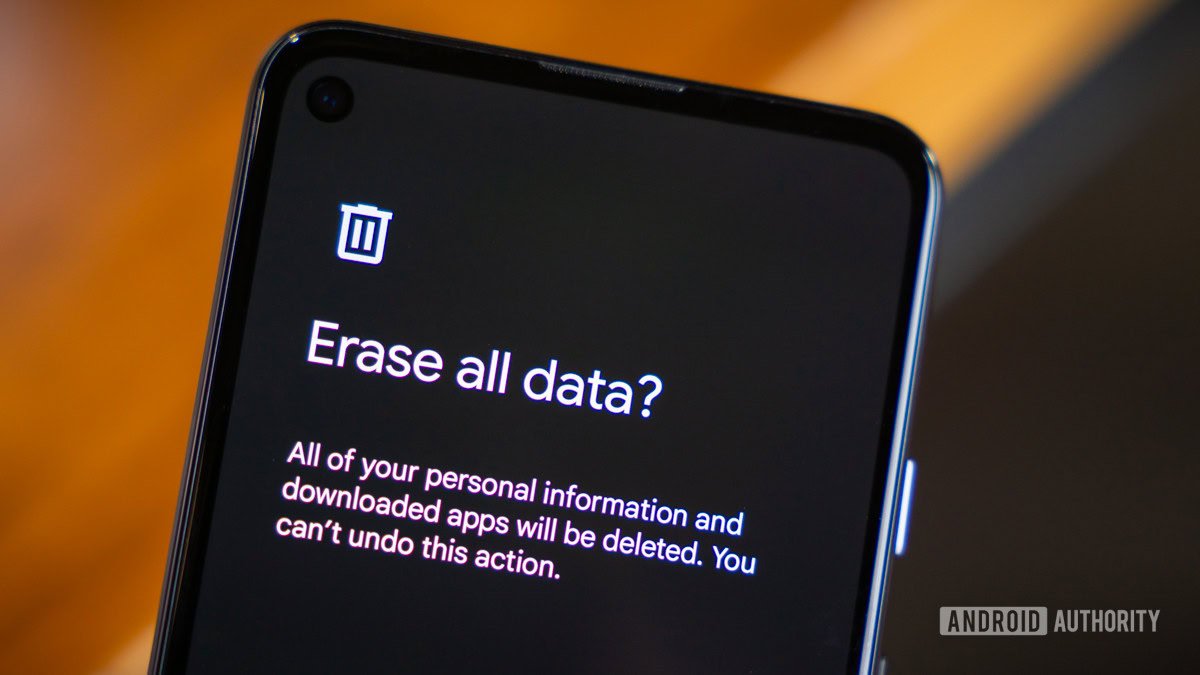
Many people assume that deleting photos and performing a quick factory reset is enough. It feels final. The screen clears. The apps disappear. The device looks new.
But what looks erased is not always gone.
When you delete a file from a smartphone, the operating system typically removes the reference to that file in its directory structure. The actual data often remains stored in memory until it is overwritten by new information. A factory reset improves matters, but depending on the device and storage encryption settings, fragments of data can sometimes still be recovered using forensic tools.
In other words, deletion is often a surface-level action.
For individuals, this creates personal risk. For business owners and executives, it can create exposure that extends far beyond embarrassment. Old email threads, banking credentials, confidential documents, authentication tokens and even WhatsApp backups may still exist in retrievable form.
The secondary phone market does not discriminate between harmless selfies and sensitive corporate data.
Cybersecurity professionals routinely demonstrate how recoverable data can be. With specialised recovery software and hardware tools, previously deleted photos, PDFs, chat logs and browser histories can sometimes be reconstructed. The sophistication of recovery depends on the storage type, encryption status and whether secure wipe protocols were used.
The risk intensifies when devices were used for business communication. Many founders and executives operate entire companies from their smartphones. Contracts are reviewed over email. Payments are authorised via banking apps. Two-factor authentication codes are stored in SMS threads.
Selling such a device without properly erasing it is not simply careless. It is a governance issue.
In African markets, where device resale chains are often informal, there is little accountability once a phone leaves your possession. A device may pass through multiple hands before reaching its final buyer. At any stage, a technically savvy individual could attempt data extraction.
The consequences vary in severity. At the low end, private photos resurface online. At the higher end, identity theft, financial fraud or corporate espionage become possible. Even partial data fragments can be enough to reconstruct patterns: names, addresses, transaction histories, passwords reused across platforms.
The problem is not limited to individuals. Small and medium enterprises are particularly vulnerable. Staff turnover is frequent. Devices are reassigned or sold without IT oversight. Sensitive client data may remain stored locally.
Digital security is often discussed in terms of hacking from afar. Yet one of the simplest breaches is physical resale without sanitisation.
Modern smartphones do offer built-in protections. Most contemporary devices use encryption by default. When encryption is active and a full, authenticated factory reset is performed correctly, the likelihood of meaningful recovery decreases dramatically. But older devices, improperly configured phones or those with disabled encryption settings remain at risk.
Cloud backups introduce another layer of complexity. Even if the device is wiped, linked cloud accounts may remain active if not signed out properly. The next user could encounter account prompts or cached data that reveal identifying information.
Selling a phone is no longer a simple hardware transaction. It is a data transition.
The broader lesson is about ownership. When you buy a smartphone, you are not just buying a communication tool. You are accumulating a portable archive of your digital life. Contacts, geolocation history, financial metadata, biometric authentication patterns. It is a condensed identity device.
Before selling, gifting or recycling a phone, data must be treated as the primary asset to manage, not the hardware.
In a continent where mobile penetration drives financial inclusion, e-commerce and remote work, digital literacy must evolve alongside adoption. Convenience without caution is expensive.
The cost of negligence is rarely visible at the point of sale. It surfaces months later, in compromised accounts or unexplained transactions.
The device may look empty. The memory may not be.
